


How Custom Concrete Patio Contractors Plan Better Spaces
- Jorge Rodriguez
- Jul 30
- 5 min read
A patio can look like a simple slab from the kitchen window, but the details determine whether it becomes the part of the home everyone uses or a surface that feels unfinished after one Texas summer. The right custom concrete patio contractors do more than pour concrete. They help you plan a space around how you entertain, relax, move through the yard, and maintain your property over time.
For Dallas-Fort Worth homeowners, that planning matters. Heat, drainage, expansive soils, pool traffic, and sudden weather changes can all affect the performance and appearance of an outdoor concrete surface. A well-built patio should look premium on day one and continue serving your home through years of cookouts, family gatherings, and everyday use.
What Custom Concrete Patio Contractors Should Help You Decide
A custom patio starts with more than a square-foot measurement. Before selecting a finish or approving a quote, a qualified contractor should ask how you want to use the space. A small sitting area outside a back door needs a different layout than a large outdoor entertaining area with a grill station, pergola, fire feature, or pool access.
The best design balances appearance with practical movement. Doors should open comfortably. Walkways should feel natural. Furniture should fit without turning the patio into an obstacle course. If the patio connects to a pool, the surface needs to support wet-foot traffic while still complementing the rest of the yard.
Drainage is another early decision that should never be treated as an afterthought. Water needs a planned path away from the home and away from areas where it can collect near the slab. Proper grading and slope protect the patio, help reduce standing water, and keep the finished space more comfortable to use after rain.
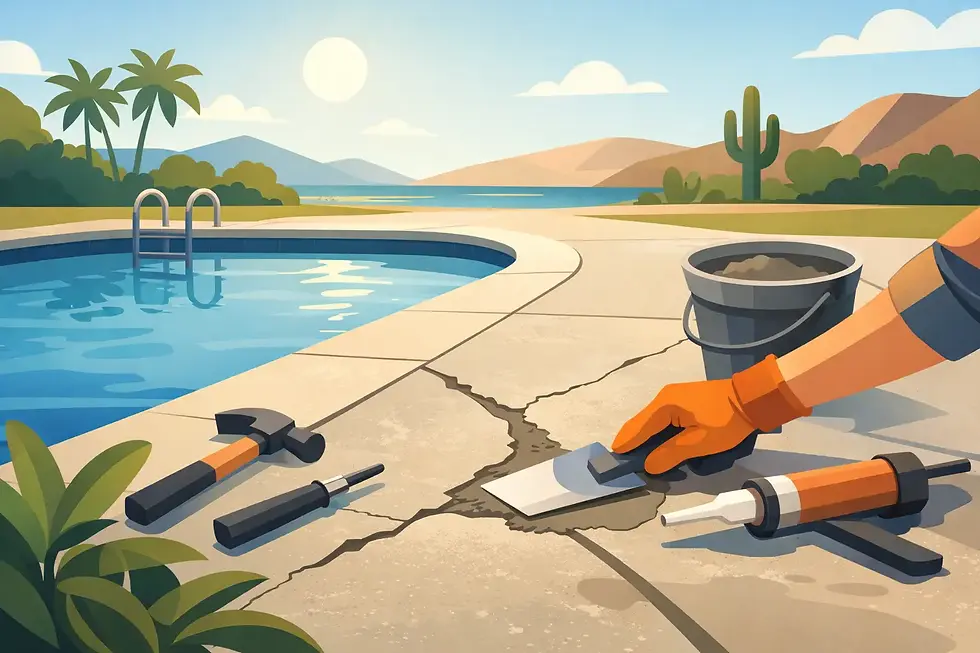
A dependable contractor will also evaluate the condition of any existing concrete. Some surfaces are good candidates for resurfacing or a stamped overlay. Others may have movement, cracking, poor drainage, or structural concerns that make replacement the more responsible option. The lower upfront cost of a cosmetic fix is not a value if the base beneath it is unstable.
Choose a Patio Finish That Fits the Way You Live
Concrete gives homeowners more design flexibility than a plain gray slab. The right finish can tie a patio to the home’s exterior, define an outdoor living area, or bring a dated backyard into a more polished, intentional design.
Stamped concrete is a popular choice for homeowners who want the character of stone, slate, brick, or wood textures with the durability and continuity of concrete. Color hardeners, stains, release colors, borders, and custom patterns can create a high-end appearance without assembling individual pavers. It is especially effective for larger patios where a continuous surface makes the yard feel more open.
Exposed aggregate offers a different look. By revealing decorative stone within the concrete surface, it creates natural texture and visual depth. It can be a strong option for patios and pool-adjacent areas where homeowners want a finish with more grip and a less formal appearance.
For an existing patio that is structurally sound but worn, concrete resurfacing or a stamped overlay may offer a practical path forward. These systems refresh the surface and expand your design options without automatically requiring full demolition. However, resurfacing is not a shortcut for significant slab failure. Honest guidance about what the existing concrete can support is part of good craftsmanship.
Color selection deserves more thought than many homeowners expect. Darker shades can look dramatic but may feel hotter under the North Texas sun. Very light finishes can stay cooler but may show dirt, leaves, and outdoor spills more easily. A skilled contractor can help you find a tone that works with your brick, stone, siding, pool coping, and the amount of direct sunlight your backyard receives.
The Details That Make a Concrete Patio Last
A beautiful finish cannot make up for weak preparation. The performance of a patio is shaped well before the decorative work begins, starting with the base, grading, reinforcement strategy, concrete mix, and joint placement.
Site preparation is where quality contractors separate themselves. The work area needs to be excavated and graded correctly, with attention to soil conditions and proper support below the slab. In the Dallas-Fort Worth area, soil movement is a real consideration. While no contractor can eliminate every effect of shifting ground, proper preparation helps create a stronger, more reliable installation.
Control joints are another essential part of the process. Concrete naturally shrinks as it cures, and joints provide planned locations for that movement. They do not guarantee that a patio will never crack, but they help manage where cracking is more likely to occur. On decorative patios, joint layout should be considered alongside the pattern so the finished surface remains visually balanced.
Material quality matters as well. Premium products and commercial-grade concrete mixes, when appropriate for the project, support better consistency and durability. The installation team also needs the experience to place, finish, color, texture, and cure the concrete at the right time. Decorative concrete is not simply basic flatwork with a pattern added at the end. Timing and finishing skill directly affect the result.
Questions to Ask Before You Hire a Patio Contractor
Homeowners deserve clear answers before committing to a project. Price matters, but an estimate is only useful when you understand what is included, what preparation is planned, and how changes will be handled.
Ask potential contractors about their process for evaluating drainage and existing concrete. Request a clear explanation of the recommended finish, including why it suits your space and what maintenance it will require. You should also understand the anticipated project schedule, how the work area will be protected, and when the patio can safely be used after installation.
A strong proposal should address the scope of work rather than offering one vague number. It should make clear whether demolition, base work, reinforcement, staining, sealing, borders, steps, or drainage improvements are included. If a contractor cannot explain the work in straightforward terms, it becomes difficult to compare estimates fairly.
It is also reasonable to ask how the contractor handles unexpected site conditions. Hidden issues can arise once an old patio is removed or a yard is excavated. The important question is whether the contractor communicates early, provides options, and documents any approved changes before moving forward.
A Better Patio Project Starts With a Clear Process
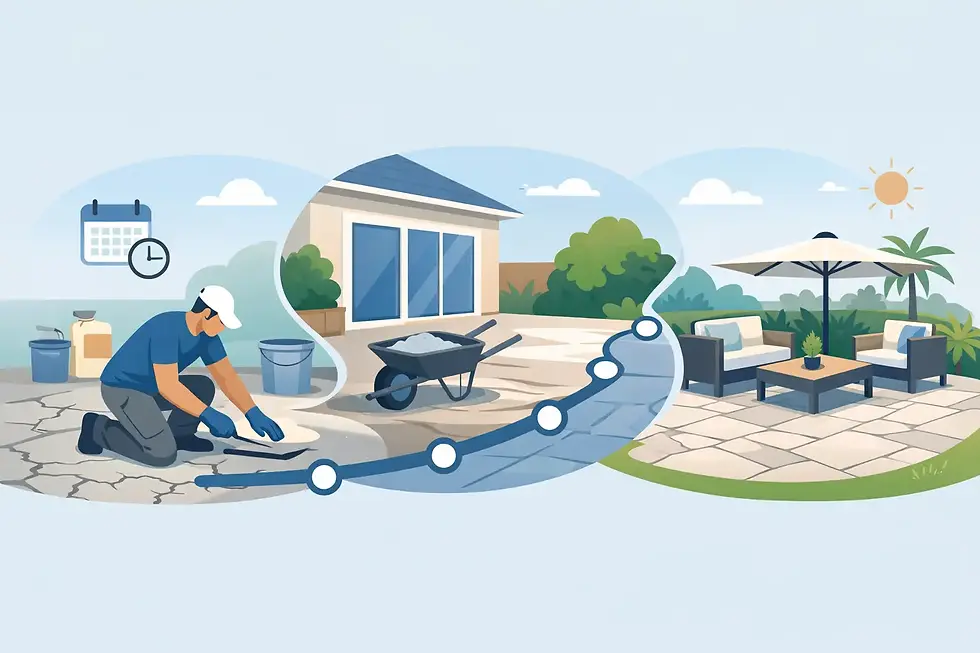
At J. Rodriguez Concrete Contractors, the goal is to make the project feel organized from the first conversation. A consultation should begin with your goals for the backyard, your preferred style, and the condition of the current surface. From there, the project can be planned around layout, drainage, finish options, and the practical details that affect long-term performance.
Once the design is defined, scheduling and site preparation should be clear. Homeowners should know what to expect before work begins, not be left guessing when crews will arrive or how long the area will be unavailable. On-time delivery, honest quotes, and straightforward communication are not extras. They are part of a professional installation experience.
After the concrete is installed, cured, and sealed as appropriate for the selected finish, basic care helps protect the investment. Keep the surface free of debris, clean spills before they set, and follow the recommended resealing schedule for decorative finishes. Avoid using harsh de-icing chemicals or dragging sharp metal furniture across the surface. These simple habits help preserve color, texture, and overall appearance.
A custom patio should not feel like a generic addition to the back of the house. It should make the yard easier to enjoy, support the way your family gathers, and add a finished look that holds up to North Texas living. The best time to ask detailed questions is before the first form is set, when good planning can still turn an ordinary slab into an outdoor space you will be proud to use.

Comments